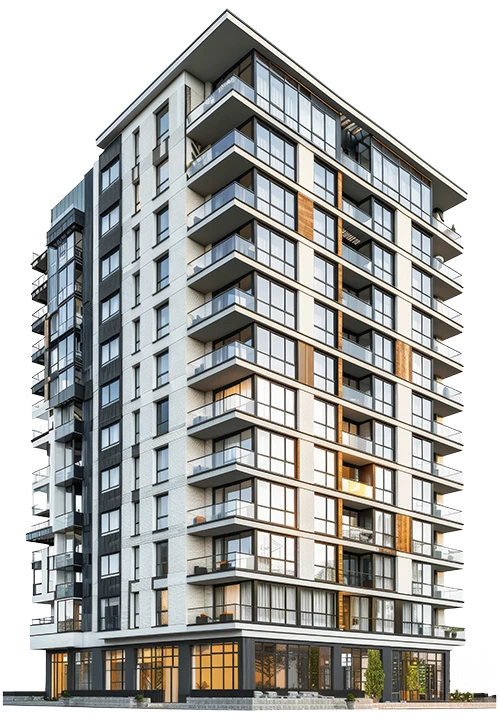
Real estate fundamentals
What are the core facets of property markets?
The property sector encompasses diverse transactions, financial considerations, and legal frameworks governing asset acquisition, utilization, and continuous management of residential and commercial spaces.
Property transactions
How does the purchase and sale process work?
The process begins with property listing and comprehensive valuation, followed by purchase offers and mortgage financing. It requires thorough inspections and clear title verification, culminating in formal closing where the deed transfers and property ownership gets officially recorded by all involved parties.
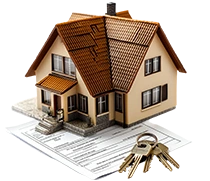



Long-term property rentals explained
Lease agreements
Leasing a property involves a contract between landlord and tenant, specifying rent, lease duration, and terms. It typically includes a security deposit covering potential damages.

Selecting the ideal rental property
Location and living environment
Choosing a long-term rental requires evaluating the location, available amenities, nearby services, and overall living environment. These factors help tenants identify a property matching their everyday needs.
Key Considerations for a Holiday Rental
Choosing a holiday rental on Île de Ré requires evaluating multiple factors to maximize your stay experience. The location, proximity to beaches, local shops, and cycling paths can make everyday travel significantly more convenient. The accommodation type, its amenities, outdoor spaces, and guest capacity should also match the specific needs of travelers. Platforms such as TRAVEL PARADISE can help explore suitable accommodation options and plan a stay adapted to the desired experience, while the travel period and planned activities further guide the final choice.
Core living concepts
Modern housing: key components explored
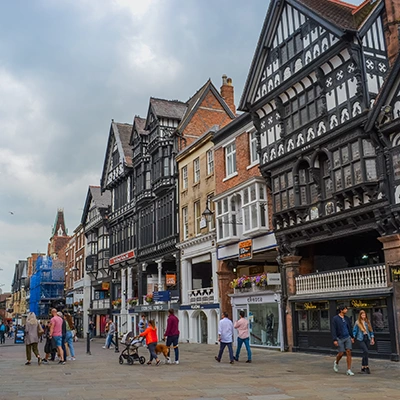
Neighborhood characteristics and property value
Community features, local amenities, and service proximity significantly affect property desirability and overall lifestyle quality for current residents.
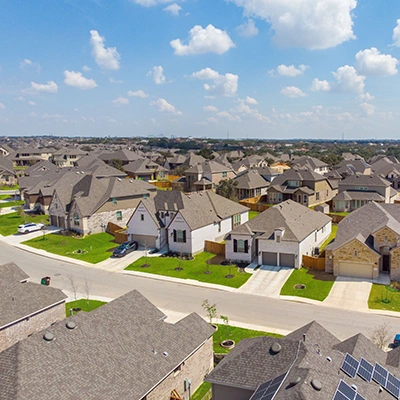
Zoning laws and their impact on development
Local ordinances dictate land use, building dimensions, and permitted construction types, shaping community development patterns and growth.
Interior layout efficiency and functionality
An optimized floor plan balances functionality with aesthetic flow, maximizing usable square footage while accommodating occupants’ daily living routines.

Enhancing property value through curb appeal
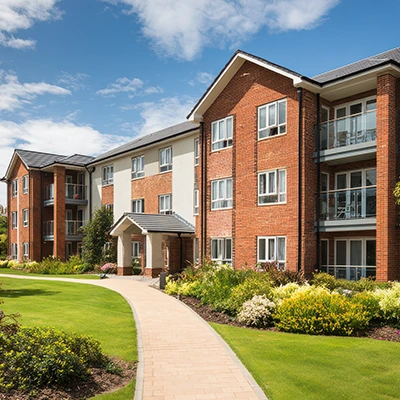
The first impression, shaped by landscaping and building facade design, adds substantial perceived value and attractiveness to any property.
Building and upgrading
Construction project stages from start to finish
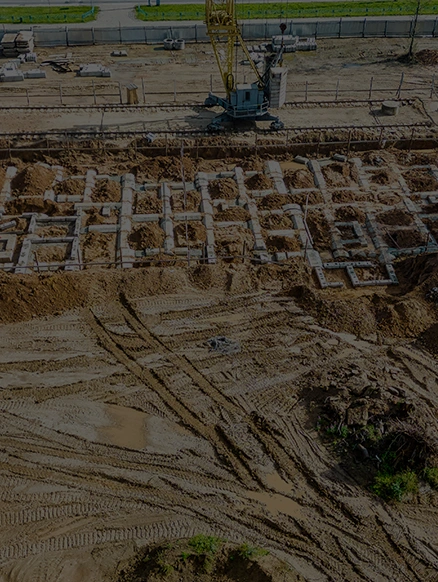
Foundation and initial site preparation

Structural framing and basic roofing
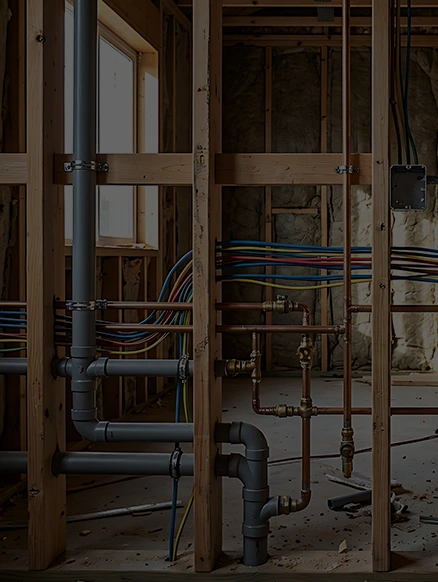
Plumbing and electrical system installation

Interior and exterior surface finishing

Insulation application and drywall fitting

Final compliance inspection and handover


Operational oversight
Professional property management services
Effective property administration ensures buildings operate smoothly, preserving their value for owners while serving the needs of tenants. It requires a blend of financial acumen, operational expertise, and legal knowledge to function properly.

Routine and preventative maintenance essentials
Regular upkeep of plumbing and HVAC systems prevents costly emergency repairs while maintaining the building’s operational integrity.

Best practices for tenant screening
Verifying applicant background and financial stability helps secure reliable tenants, ensuring consistent rent collection and minimized tenant turnover.

Financial records and budget management
This involves tracking all income and expenses, from rent collection to repair costs, providing clear financial reporting to property owners.

Compliance with housing laws and regulations
Adhering to local, state, and federal laws, including fair housing acts, protects owners from legal liabilities and disputes.
Long-Term Wealth
Building wealth through property assets
Property value appreciation
Property appreciation contributes significantly to long-term wealth creation and financial security. Well-located assets may increase in value as local infrastructure develops, demand grows, or surrounding areas become more attractive.
Diversifying through real estate
Real estate also helps diversify broader investment portfolios. Different property types, geographic locations, and investment models provide exposure to multiple segments of the property market.