Housing and Living

How to Weigh Lifestyle Quality Against Property Size and Commute Length
Contrary to the property ladder obsession, research shows that a bigger house doesn’t automatically lead to greater happiness. The real driver of residential satisfaction is how well your environment supports your core values and daily routines, not its square footage….
Read more
How Close Should You Live to A&E, Fire Stations, and Police in the UK
A property’s proximity to emergency services isn’t measured in miles, but in the critical minutes it takes for help to arrive. Ambulance response times vary dramatically by postcode and are influenced by call categories; official targets are frequently missed. Physical…
Read more
Which Local Amenities Can Save Your Family 5 Hours of Weekly Admin?
Choosing a home based on its “logistical efficiency” can reclaim over five hours of family time each week. Proximity to clustered daily services like schools, shops, and pharmacies drastically cuts down on travel and errand time. In-home amenities, particularly an…
Read more
What Community Features Actually Improve Daily Happiness for UK Residents
The search for a happy home in the UK often focuses on the wrong things; true residential well-being isn’t about proximity to shops, but about the quality of a neighbourhood’s ‘social infrastructure’. Features that create “bumping spaces” for spontaneous interaction,…
Read more
The 5+ Year Itch: What Truly Makes a Home Comfortable for the Long Haul
The secret to long-term happiness in a property isn’t found in its square footage or kitchen fixtures; it’s predicted by the invisible environment that surrounds it. Chronic noise, poor natural light, and a weak social fabric are the top reasons…
Read more
How Close Is Close Enough: Mapping Essential Services Before You Sign
Rethinking ‘close’ on a property map is not just about distance; it’s about calculating the real-world cost in time, money, and friction. A 10-minute walk on paper can become a 25-minute obstacle course with daily realities like a toddler or…
Read more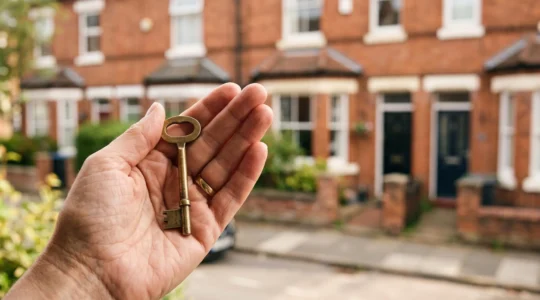
What UK Property Ownership Actually Entails Beyond Holding the Keys
Beyond the initial excitement of purchase, true property ownership in the UK is about proactive stewardship to prevent financial erosion and protect your asset from hidden risks. Understanding your title (freehold vs. leasehold) directly impacts long-term costs and your home’s…
Read more