In summary:
- Your property listing is a marketing campaign, not a passive advert. Its success is determined in the first 48 hours.
- Professional photography isn’t a cost; it’s an investment that directly impacts views, offers, and final sale price.
- Strategic pricing around Rightmove’s search bands is more critical than the exact asking price itself.
- Copywriting should sell a lifestyle, not just list features. Translate every feature into a tangible buyer benefit.
For UK homeowners, listing a property on Rightmove or Zoopla can feel like sending a message in a bottle into a vast, indifferent ocean. You’ve decluttered, you’ve painted, and you’ve chosen an agent. But the fear remains: your home, your biggest asset, will be just another thumbnail lost in an endless scroll. Many sellers believe the key is simply having “good photos” or “the right price,” but these are just table stakes in today’s crowded market.
The truth is, most listings fail to capture attention not because the property is undesirable, but because they are not engineered to overcome modern buyer apathy. The average buyer spends mere seconds on each listing before swiping on. This isn’t a failure of your home; it’s a failure of the marketing strategy behind the listing.
But what if the key wasn’t just better photos, but a fundamental shift in perspective? What if you treated your listing not as a simple advert, but as a high-stakes, 48-hour marketing campaign? The real lever for attracting serious buyers isn’t just presenting your home; it’s strategically crafting every element of your listing—from the hero image to the last bullet point—to compel a click, an enquiry, and a viewing, all within that critical initial window.
This guide will deconstruct that strategic approach. We will move beyond the generic advice and delve into the specific, data-backed tactics that property marketing specialists use to make a listing unmissable. We will explore the science behind the photos, the psychology of the description, the mathematics of pricing, and the timing of updates that turn passive scrollers into committed buyers.
Summary: A Strategic Guide to Creating an Unmissable Property Listing
- Why 70% of Property Listings Get Ignored in the First Week on Rightmove
- How to Photograph Your Property Like Estate Agents Charging £15,000 Commission
- Detailed Descriptions vs Bullet Points: Which Listing Format Gets 3x More Inquiries
- The Listing Price Error That Leaves UK Properties Unsold for 6+ Months
- When to Update Your Listing: The 3 Timing Signals 80% of Sellers Miss
- How to Stage Each Room to Triple Rightmove Listing Clicks in 48 Hours
- Why £400 Professional Photos Generate 5x More Premium Offers Than Phone Shots
- What Makes UK Properties Sell in Under 30 Days While Others Languish for Months
Why 70% of Property Listings Get Ignored in the First Week on Rightmove
The moment your property goes live on Rightmove, a countdown clock starts. You don’t see it, but it’s the most critical period in your entire selling journey. Your listing receives a “new listing” boost, placing it at the top of relevant searches and in email alerts sent to millions of potential buyers. This initial peak visibility window, typically lasting one to two weeks, is your golden opportunity. A listing that fails to gain traction here faces a steep uphill battle, quickly becoming digital wallpaper.
The core problem is a mismatch between the effort invested and the buyer’s fleeting attention. A seller sees their home; a buyer sees a thumbnail. If that first image—the ‘digital kerb appeal’—doesn’t spark immediate curiosity, they scroll on. The data is unforgiving. One seller on a MoneySavingExpert forum shared their experience: after 40 hours, their listing appeared in 5,948 searches and received 802 clicks, yet this initial flurry resulted in only two viewing requests. This is a classic case of high traffic but low conversion, a clear sign that the listing failed to turn initial interest into genuine buyer commitment.
Why does this happen? Listings often get ignored because they fail three crucial tests in the first five seconds. Firstly, they use a poor lead photograph. Secondly, the opening line of the description is wasted on generic agent-speak like “We are delighted to present…”. Thirdly, they don’t provide key material information upfront, such as council tax band or tenure, making the buyer work too hard. In a fast-paced market, any friction is a reason to move on. Your campaign’s mission is to eliminate that friction and convert that first glance into a click-through.
How to Photograph Your Property Like Estate Agents Charging £15,000 Commission
The single most important element of your online property campaign is the photography. It’s the hook, the headline, and the cover of your book all rolled into one. Amateur, phone-shot photos are the number one reason buyers scroll past a property. Professional photography is not about simply documenting rooms; it’s about selling a feeling, a lifestyle, and an aspiration. It’s the difference between showing a house and showcasing a home.
Top estate agents understand that great photos aren’t just wide-angle shots of tidy rooms. They focus on three key elements: light, texture, and story. They will always shoot on a bright day, with all lights on, to make a space feel airy and welcoming. They use high-resolution cameras that capture the tactile texture of a wooden floor, a linen curtain, or a marble worktop, adding a sense of quality and tangibility that phone cameras simply cannot replicate. Each shot is composed to tell a micro-story: a cosy reading nook by a window, a sun-drenched patio ready for a morning coffee, or a kitchen island set for entertaining.
As this image demonstrates, professional shots often use a shallow depth of field to draw the eye to a specific detail, creating a mood and suggesting a quality of life. They focus on what makes the home special. The power of this approach is backed by hard data; it is a proven strategic lever for engagement. This is why sellers should insist on, and even offer to pay for, a professional photographer if their agent suggests otherwise. It’s the highest-ROI marketing spend you can make.
Detailed Descriptions vs Bullet Points: Which Listing Format Gets 3x More Inquiries
If photography is what earns the click, the written description is what secures the viewing. Buyers on Rightmove are met with two formats: a list of ten prominent bullet points (Key Features) and the main body of text. Many agents neglect the former and fill the latter with clichés. This is a strategic error. The bullet points are your headline act; they must be compelling, benefit-driven, and use all ten available slots to maximise impact.
The most effective listings use a hybrid approach. The bullet points act as a high-impact summary, while the full description tells a story. As the experts at Cavendish Estate Agents point out, a personal touch can be powerful. They advise sellers to “Tell your story.”
Property descriptions including personal stories about living in your home or your favourite room pack a greater punch than just the basic property details.
– Cavendish Estate Agents, Rightmove Guides – Marketing your property for sale
The key is to translate every feature into a tangible buyer benefit. Don’t just state “downstairs WC”; write “No more queuing for the bathroom on busy mornings.” Don’t just say “south-facing garden”; say “Bathe in sunshine from morning coffee to evening drinks outdoors.” This simple shift in language helps the buyer emotionally connect with the property and visualise themselves living there. It moves the conversation from a checklist of specifications to a vision of their future life. This table illustrates the powerful difference between feature-focused and benefit-focused wording.
| Common Feature Wording | Buyer-Benefit Wording |
|---|---|
| Double glazing throughout | Enjoy peaceful, whisper-quiet evenings all year round |
| South-facing garden | Bathe in sunshine from morning coffee to evening drinks outdoors |
| Downstairs WC | No more queuing for the bathroom on busy mornings |
| Off-street parking | Never circle the block for a space again |
| Chain-free | Move in without the stress or delay of a broken chain |
| Potential to extend (STPP) | Room to grow your family home for years to come |
| Open-plan kitchen-diner | The natural heart of the home for entertaining and everyday life |
| Home office/study | A ready-made space to work comfortably from home |
| Walking distance to station | Cut your commute and reclaim your mornings |
| Annexe potential | Flexible space for multi-generational living or rental income |
The Listing Price Error That Leaves UK Properties Unsold for 6+ Months
Pricing a property feels like a dark art, but on platforms like Rightmove, it’s a science governed by algorithms. The most common and costly mistake UK sellers make is ‘pointless pricing’—listing their home at a price like £499,999 or £749,500. While this may seem psychologically clever, it renders your property invisible to a huge swathe of serious buyers. This is due to Rightmove’s fixed price-band search filters.
A buyer searching for properties between “£500,000 to £550,000” will never see a property listed at £499,999. You have priced yourself out of their search entirely. By simply listing at the round number—£500,000—you appear in two critical searches: the “up to £500,000” band and the “from £500,000” band. This simple tweak is not about changing the value of your home; it’s about maximising its visibility in the system. Rightmove itself confirms that this strategy pays dividends, with data showing that properties priced at these thresholds receive significantly more attention. In fact, one analysis confirms that properties listed at the meeting point of two price bands get 11% more detailed views than others.
Case Study: The Lake District ‘Invisibility’ Trap
A real-world search conducted by agency AshdownJones highlights this perfectly. A search for properties in the Lake District between £500,000 and £550,000 returned 55 results. However, when the search was adjusted to the £475,000-£500,000 bracket, an additional 15 properties appeared, all priced just under the £500,000 mark. These 15 homes were completely invisible to anyone starting their search at the half-million-pound level, effectively cutting themselves off from a pool of highly qualified buyers.
This isn’t about over- or under-pricing your home. It’s about understanding the mechanics of the platform and making a strategic pricing decision that ensures your campaign reaches the maximum possible audience from day one.
When to Update Your Listing: The 3 Timing Signals 80% of Sellers Miss
Launching your property campaign is only the beginning. The first two weeks are a period of intense data collection. Your Rightmove performance report is your mission control, and most sellers (and many agents) fail to read the signals it provides. Ignoring this data is like flying blind. A strategic seller monitors performance daily to decide if and when to deploy tactical updates.
There are three key timing signals that demand action:
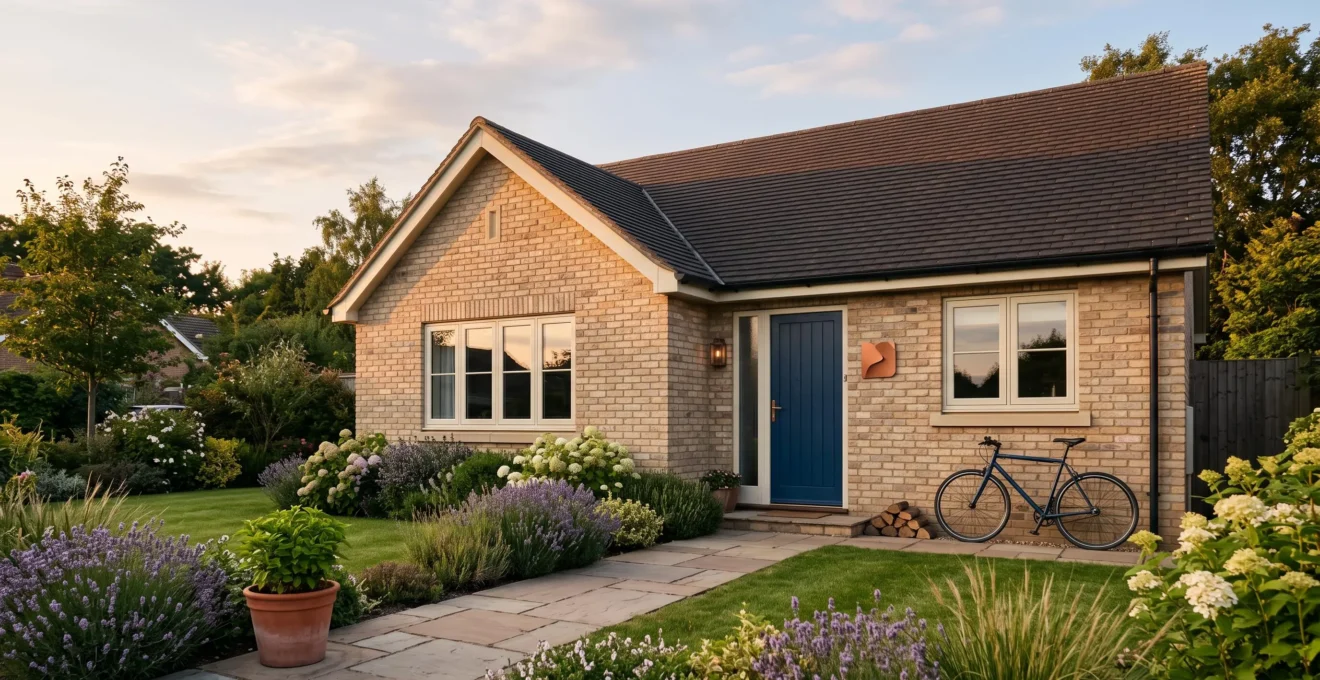
- The Click-Through Rate (CTR) Crash: You see a high number of “Summary Views” (people seeing your home in search results) but a very low number of “Detailed Views” (people clicking through). This is a clear signal that your digital kerb appeal is failing. Your lead photo or price is putting buyers off. Action: Change the lead photograph immediately to a different shot—perhaps a “twilight” exterior or a stunning kitchen shot instead of the standard front-of-house view.
- The Viewing Void: You have a healthy number of detailed views, but very few enquiries or viewing requests. This indicates that while your headline photo is working, the rest of the listing (the other photos, the description) is failing to convert interest into action. Buyers are clicking, but what they find inside disappoints them. Action: Rewrite the description to be more benefit-led and ensure the other photos tell a compelling story.
- The Comparison Underperformance: Your Rightmove report shows how your property is performing against “similar properties”. If your detailed views are consistently and significantly lower than the average, the market is telling you something is wrong. It’s usually the price. Action: Before a drastic price reduction, consider a strategic price *tweak* to hit a new search band, as this is often more effective.
Monitoring these signals allows you to be agile. Instead of waiting months and then making a desperate, large price cut, you can make small, intelligent tweaks early on to reinvigorate your campaign and keep momentum high. This proactive management is what separates a successful sale from a long, frustrating wait.
Your Rightmove Listing Audit Checklist
- First Impression Audit: How does your lead photo compare to the 5 other properties listed above and below yours in a live search? Is it instantly more compelling?
- Key Data Check: Are your council tax band, tenure, lease length (if applicable), and parking situation clearly stated and correct under the new Material Information rules?
- Benefit-Led Copy Review: Go through your description. For every feature mentioned, have you explained the direct benefit to the buyer? (e.g., “south-facing” becomes “sun-drenched all afternoon”).
- Price Band Analysis: Is your asking price sitting just *below* a major Rightmove price band (£300k, £400k, £500k)? If so, you are invisible to buyers searching from that price upwards.
- Performance vs. Peers: Check your weekly Rightmove report. Are your “Detailed Views” significantly lower than the “Similar Properties” benchmark? If yes, a strategic change is needed now.
How to Stage Each Room to Triple Rightmove Listing Clicks in 48 Hours
Home staging is one of the most misunderstood aspects of property marketing. It is not about interior design or hiding flaws. It is the art of depersonalising a space to allow potential buyers to project their own lives and aspirations onto it. You are not selling your home; you are selling their future home. For your online campaign, staging’s primary role is to create photographs that are so aspirational they stop the scroll and command a click.
The goal for every staged room is to maximise the perception of light and space. This often means removing 50% of the furniture. Take out bulky items, clear every surface, and remove all personal effects like family photos, fridge magnets, and toiletries. The buyer should not be distracted by your life; they should be imagining their own. Each room should have a single, clear purpose. The “spare room” full of junk should become a “home office” with a simple desk and chair, or a “guest bedroom” with a neatly made bed.
This approach, as seen in the photo above, uses negative space to create a sense of calm and possibility. It doesn’t show a family living there; it offers a blank canvas. This is incredibly powerful from a marketing perspective. While physical staging is ideal, even virtual staging of an empty room has a profound impact on engagement. The goal is to create an emotional response, and data confirms its effectiveness. According to one industry report, using these techniques can dramatically boost interest, with some agents finding that virtually staged listings receive 40% more views.
Why £400 Professional Photos Generate 5x More Premium Offers Than Phone Shots
For many sellers, the idea of spending £300-£500 on a photographer when their estate agent offers to take photos for “free” seems counterintuitive. This is a classic false economy. Viewing professional photography as a cost is a mistake; it is the single best marketing investment you can make in your property campaign, with a return on investment (ROI) that is both immediate and substantial.
The difference in quality between a professional’s DSLR camera and an agent’s smartphone is not trivial. A professional uses specialised wide-angle lenses to make rooms feel spacious, techniques to balance the light from windows with the interior, and post-production software to ensure every image is bright, sharp, and inviting. This quality differential has a direct and measurable impact on buyer behaviour and financial outcomes. Authoritative research from the US National Association of Realtors (NAR) confirms this, finding that homes with professional photographs were found, on average, to be viewed 61 percent more online and commanded a significantly higher price.
Case Study: Winning the High-Value Relocation Buyer
Consider buyers relocating from major hubs like London. These individuals are often research-heavy, less price-sensitive, and pre-qualify properties almost entirely online before committing to a day of viewings. They rely on high-quality photography and virtual tours to make their shortlist. A listing with dark, blurry phone shots will never even be considered by this lucrative buyer segment. Professional media is not a “nice-to-have” to attract these buyers; it is a minimum requirement.
The data consistently shows that properties marketed with professional photography sell faster and for more money. It is a strategic tool that directly influences online views, the speed of the sale, and the final price achieved. The question is not “can I afford professional photos?”, but rather “can I afford not to?”.
| Metric | Professional Photography | Standard/Phone Photos |
|---|---|---|
| Average days on market | 89 days | 123 days |
| Online views | Up to 61% more | Baseline |
| Sale price difference | $934 to $116,076 higher | Baseline |
| Speed of sale | 32% faster | Baseline |
Key takeaways
- Master the First 48 Hours: Your listing’s initial visibility on Rightmove is a finite resource. All your strategic effort must be front-loaded to maximise impact during this peak window.
- Price for Visibility, Not Ego: Understand and respect Rightmove’s price bands. A price of £500,000 is infinitely more visible than £499,999.
- Sell the Benefit, Not the Feature: Buyers connect with a lifestyle, not a list of specifications. Translate every room and feature into a story of how it will improve their life.
What Makes UK Properties Sell in Under 30 Days While Others Languish for Months
A fast sale in the UK property market is rarely a matter of luck. It is the direct result of a successful marketing campaign where every strategic lever—photography, copy, pricing, and staging—is pulled correctly from the very first minute the listing goes live. Properties that sell in under 30 days are those that generate immediate and sustained momentum. They win the battle for attention in the crucial first 48 hours and convert that attention into a steady stream of qualified viewings.
The defining factor is preparation. A listing that goes live with professional photos, benefit-led copy, and algorithm-friendly pricing is primed for success. It immediately stands out from the 70% of competing listings that are compromised by poor imagery or strategic errors. This initial quality advantage creates a virtuous cycle: more clicks lead to more viewings, which in turn creates a sense of urgency and competition among buyers, often leading to stronger offers and a quicker agreement. The market is responsive to quality; Rightmove’s own data from early 2024 showed a market ready to act, with reports that the number of sales agreed is 20% higher than the previous year, indicating that confident buyers will move quickly for the right property.
Conversely, properties that languish for months are almost always those that failed to launch. They missed the initial peak visibility window with a sub-par listing. The subsequent price reductions become a signal of desperation, attracting bargain hunters rather than serious buyers. It becomes reactive rather than proactive. The secret to a sale in under 30 days is therefore not a secret at all: it is a meticulously executed, front-loaded marketing strategy that respects the buyer’s time and the platform’s mechanics.
By treating your listing as the targeted, data-driven marketing campaign it truly is, you can move from a position of hope to one of strategic control, ensuring your property captures the attention it deserves and achieves the swift, successful sale you need.