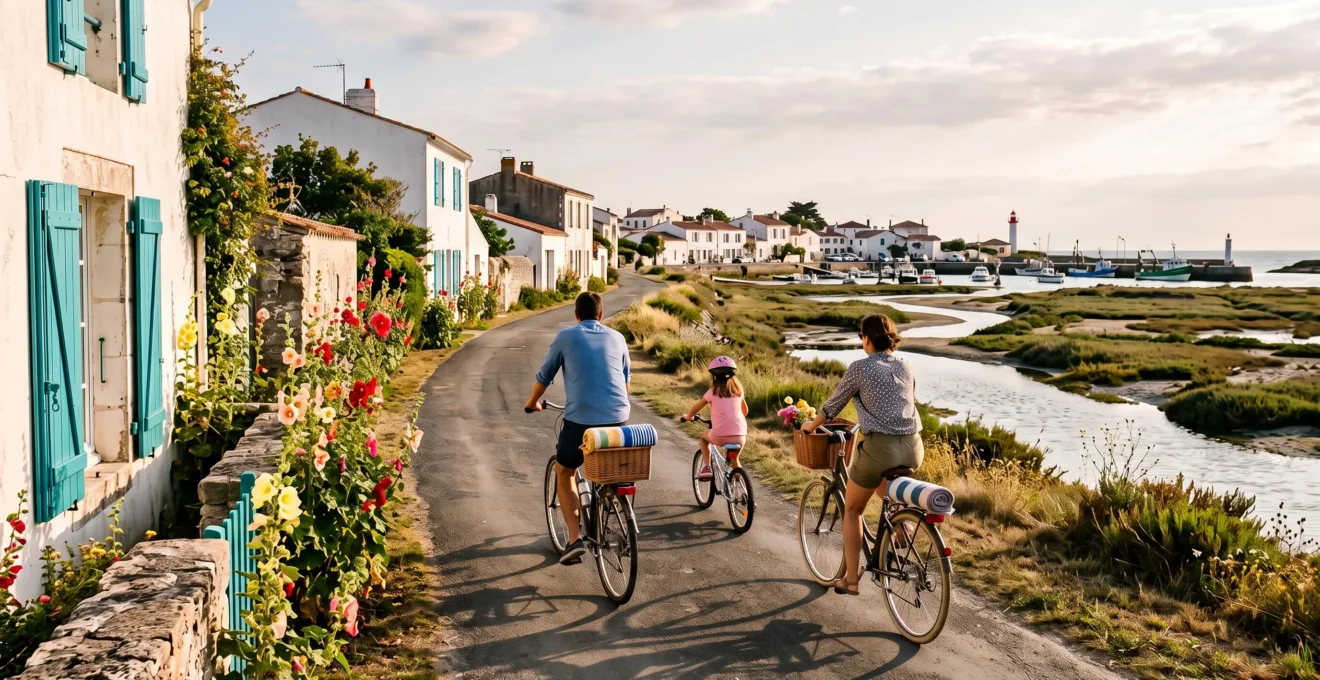
Choosing where to stay on the Île de Ré shapes your entire holiday experience, yet most visitors booking their first stay face the same problem: the island’s ten villages look broadly similar in photos, and it’s nearly impossible to judge which atmosphere suits your priorities without local knowledge. A lively harbour base delivers a completely different week to a quiet western village, and an animated family-friendly zone contrasts sharply with a couples’ retreat near the salt marshes. The difficulty lies not in finding accommodation—plenty exists—but in matching the village character, the property standard and the level of service to the kind of holiday you actually want.
This guide compares the main zones and villages across the Île de Ré, explains how to align your choice with your travel style, and outlines the practical steps that turn a well-chosen base into a smooth, enjoyable stay. The focus remains on the decisions that matter: atmosphere, location, accommodation type, and the logistics that prevent disappointment.
Which village should you stay in on the Île de Ré?
The Île de Ré stretches 30 kilometres from east to west and, according to the island’s official tourist office, comprises ten villages that each retain a distinct atmosphere despite their architectural similarities. Understanding these differences matters because the village you choose determines not only what you see from your window but also the rhythm of your days, the ease of reaching beaches or markets, and the overall feeling of your stay.
Saint-Martin-de-Ré sits roughly at the island’s centre and serves as the historic and administrative heart. The village concentrates restaurants, boutiques, galleries and evening animation around its fortified harbour. Café terraces line the quays, the weekly market draws crowds, and the streets retain activity well into the evening during high season. Saint-Martin suits travellers who value choice, proximity to services and a lively social atmosphere.
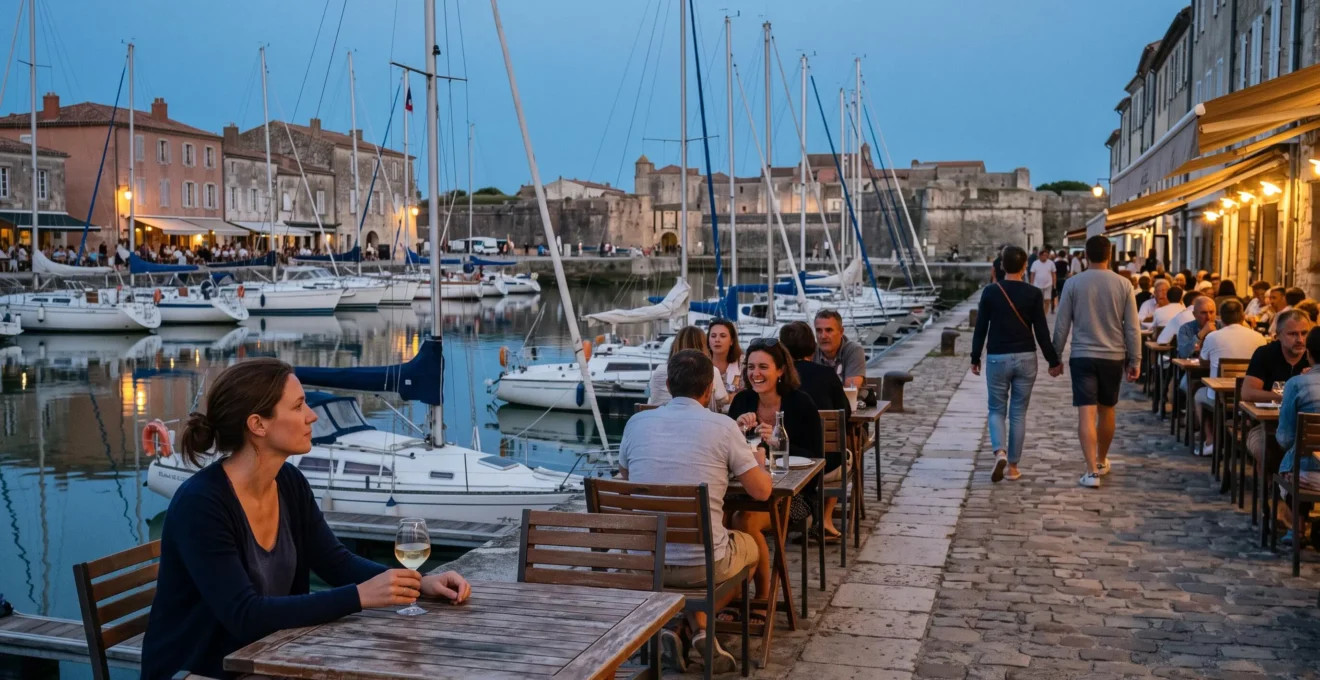
La Flotte, immediately east of Saint-Martin, offers a quieter harbour village atmosphere with a strong local market, a tree-lined waterfront and a more residential feel. The village balances accessibility with calm, making it popular with families and couples seeking a village base without the intensity of Saint-Martin.
Ars-en-Ré and Les Portes-en-Ré, in the island’s west, represent the quieter end of the spectrum. Ars centres around a picturesque harbour and church spire, with whitewashed lanes, a renowned market and proximity to salt marshes and nature reserves. Les Portes, at the western tip, is the smallest and most remote village, attracting those prioritising tranquillity, coastal walks and minimal crowds. Both villages suit visitors content with fewer restaurants and shops in exchange for slower pace and natural surroundings.
Sainte-Marie-de-Ré, towards the island’s centre, combines village charm with excellent beach access and is particularly popular with families. The village remains animated in summer but less concentrated than Saint-Martin, and its position makes it a practical base for exploring the entire island by bike.
Rivedoux-Plage, closest to the bridge connecting the island to the mainland, offers the shortest transfer time and immediate beach access. The village functions well as a family base, though it lacks the architectural character and market atmosphere found further west. Proximity to the bridge makes Rivedoux convenient for shorter stays or those arriving late.
The eastern and central villages—Rivedoux, La Flotte, Saint-Martin, Sainte-Marie—offer easier access to services, more dining options and livelier atmospheres. The western villages—Ars and Les Portes—trade convenience for calm, natural landscapes and a slower rhythm. Your priority between animation and tranquillity determines which zone suits you best.
How to match your base to your holiday style
Choosing a village becomes simpler when approached as a series of trade-offs between what you value most: social atmosphere versus solitude, walking distance to restaurants versus proximity to nature, easy logistics versus authentic remoteness. Matching your accommodation to these priorities transforms the abstract question of “where to stay” into a practical decision.
- Animation, dining choice and evening life:Saint-Martin-de-Ré offers the widest selection of restaurants, the most active harbour and the strongest evening atmosphere, particularly in July and August.
- Family-friendly with beach access and moderate activity:Sainte-Marie-de-Ré and La Flotte balance village charm, beach proximity and sufficient services without the intensity of Saint-Martin.
- Quiet, nature-focused with authentic island character:Ars-en-Ré and Les Portes-en-Ré provide calm, proximity to salt marshes and birdwatching areas, and minimal tourist density outside peak season.
- Convenience and shortest transfer from the mainland:Rivedoux-Plage minimises travel time and offers immediate beach access, practical for families with young children or short stays.
Beyond choosing the village, the type of accommodation and the services included determine whether the stay feels smooth or stressful. Hotels on the island remain limited and generally small-scale; most visitors rent houses or villas, which offer more space for families or groups but transfer the responsibility for arrival logistics, household management and potential property issues to the guest.
Some lettings agencies and concierge services address these concerns by inspecting properties before listing them, providing local welcome on arrival, arranging bike hire, and handling problems during the stay. Travel Paradise, for example, offers villas on the Île de Ré with these services included; you can explore this link to understand how managed villa rentals work in practice. The value of such services depends on your tolerance for organising details yourself versus paying a premium for a turnkey experience.
For those considering Sainte-Marie-de-Ré specifically, which combines good beach access with a central location for cycling, weighing different accommodation options in Sainte-Marie clarifies the range of property types and services available in that village.
The decision ultimately rests on whether the reassurance of inspected properties, local contact and included services justifies the higher cost compared to booking independently through a generic platform. First-time visitors and those organising group stays often find the structure valuable; experienced island guests comfortable with self-management may prefer the flexibility and lower cost of direct rental.
Villas, houses or hotels: what type of accommodation works best?
Accommodation type shapes the practical reality of your stay as much as village location does. The Île de Ré offers three main categories: small independent hotels, self-catered houses or apartments, and serviced villas with varying levels of management and support. Each suits different priorities and budgets.
Hotels on the island tend to be small, family-run properties or boutique establishments with limited rooms. They provide daily housekeeping, breakfast and sometimes restaurant service, but room sizes remain modest and availability during high season is tight. Hotels suit couples prioritising ease and daily service over space, though the cost per night often exceeds weekly villa rental rates when travelling as a family or group.
Self-catered houses and apartments dominate the island’s rental market. These range from simple fisherman’s cottages to large renovated properties with pools and gardens. Booking directly through owners or via platforms offers cost flexibility but transfers all responsibility to the guest: verifying the property matches its listing, arranging key handover, sourcing and returning bicycles, managing any maintenance issues, and organising final cleaning. The risk lies in the gap between online photos and actual condition, a common source of disappointment on popular holiday islands where properties are rented intensively.
Serviced villas with concierge management occupy the middle ground. These properties are typically selected and inspected by local agencies, which then handle arrival coordination, provide a contact for problems, arrange bike delivery, and sometimes include linen, towels and mid-stay cleaning. Travel Paradise, for instance, states that its Île de Ré villas are inspected by local experts and that the company provides assistance within 24 hours if issues arise—claims that, if accurate, reduce the uncertainty that makes many travellers hesitate over online bookings.
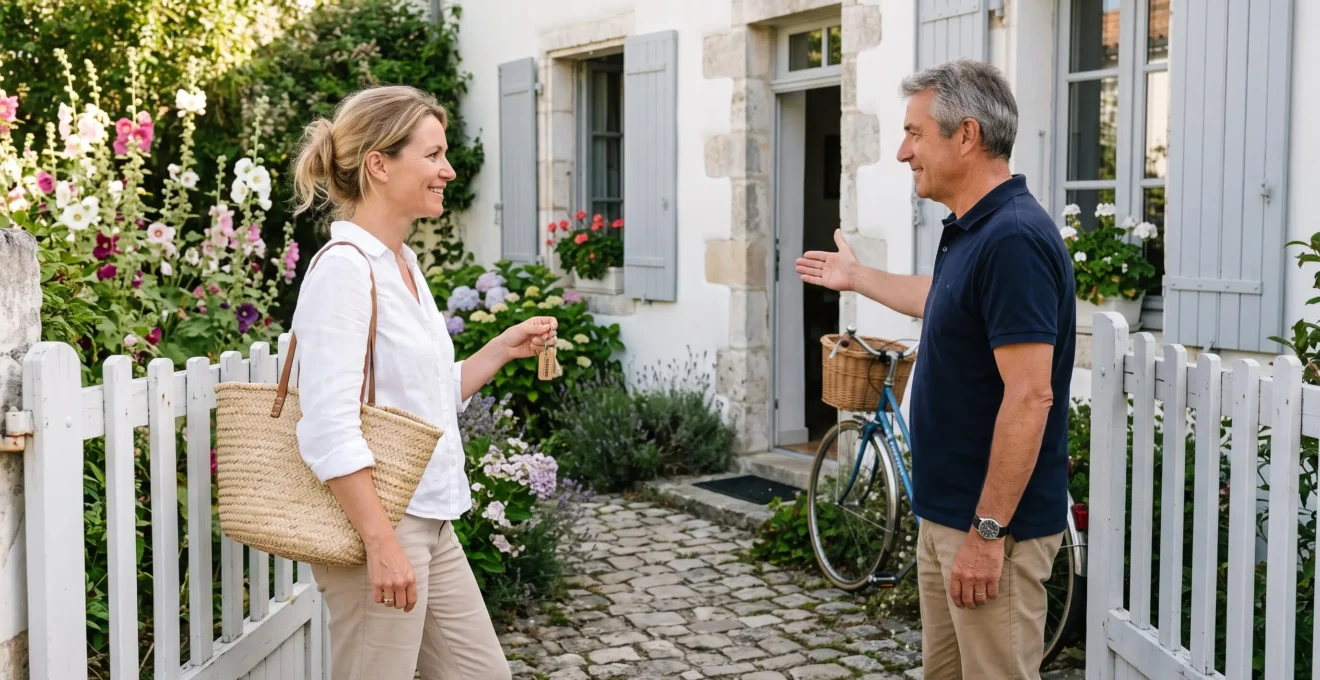
When evaluating a high-quality villa rental, whether managed or independent, certain elements serve as reliable indicators of standard and reduce the chance of disappointment:
- Recent, unfiltered photographs showing the property’s actual condition, ideally dated within the past year;
- Transparent disclosure of the property’s exact location, not just the village, so you can assess proximity to beaches, shops or cycle paths;
- Clear specification of what is included—linen, towels, bicycles, pool maintenance, cleaning—and what incurs additional charges;
- Evidence of regular inspection or management, either through verified guest reviews or agency oversight;
- A named local contact available throughout your stay, not merely an offshore call centre.
The premium charged for managed villas generally reflects these assurances plus the convenience of coordinated arrival, prepared property and responsive local support. Whether that premium represents good value depends on your personal tolerance for risk and your willingness to handle logistics independently. Families and groups often find the cost justifiable when divided per person; solo travellers or couples may prefer the economy and flexibility of self-managed rentals.
Practical tips for planning your Île de Ré stay
Once you have chosen a village and accommodation type, several practical considerations determine how smoothly your stay unfolds. Timing, transport logistics and realistic planning around the island’s seasonal patterns all shape the experience.
Seasonality and booking timing: The Île de Ré experiences intense demand from mid-July to late August, when French school holidays coincide with peak European summer travel. Premium villas and the best-located properties in Saint-Martin, Ars and Sainte-Marie often book out by late winter for the following summer. Reserving by February or March for an August stay substantially widens your choice; leaving it until May or June limits availability to less desirable or more expensive options. Shoulder seasons—June, early July and September—offer more moderate weather, fewer crowds and easier booking, though some restaurants and shops reduce hours or close after mid-September.
Getting around the island: The Île de Ré’s defining feature for visitor transport is its cycle network. According to the Communauté de Communes de l’Île de Ré, the island’s managed cycle routes total around 138 kilometres, connecting all major villages and many beaches along flat, well-maintained paths. Cycling becomes the primary mode of transport for most stays, making bicycle access essential. Many villa rentals include bikes or arrange delivery; if your property does not, rental shops operate in every village, though advance booking in high season avoids disappointment.
A car remains useful for initial arrival with luggage, especially for families, but becomes largely redundant once settled. Village parking is limited and congested in summer; most daily journeys—beach trips, market visits, restaurant outings—are simpler by bike. Some visitors arrive by car, unload, and barely use it again until departure.
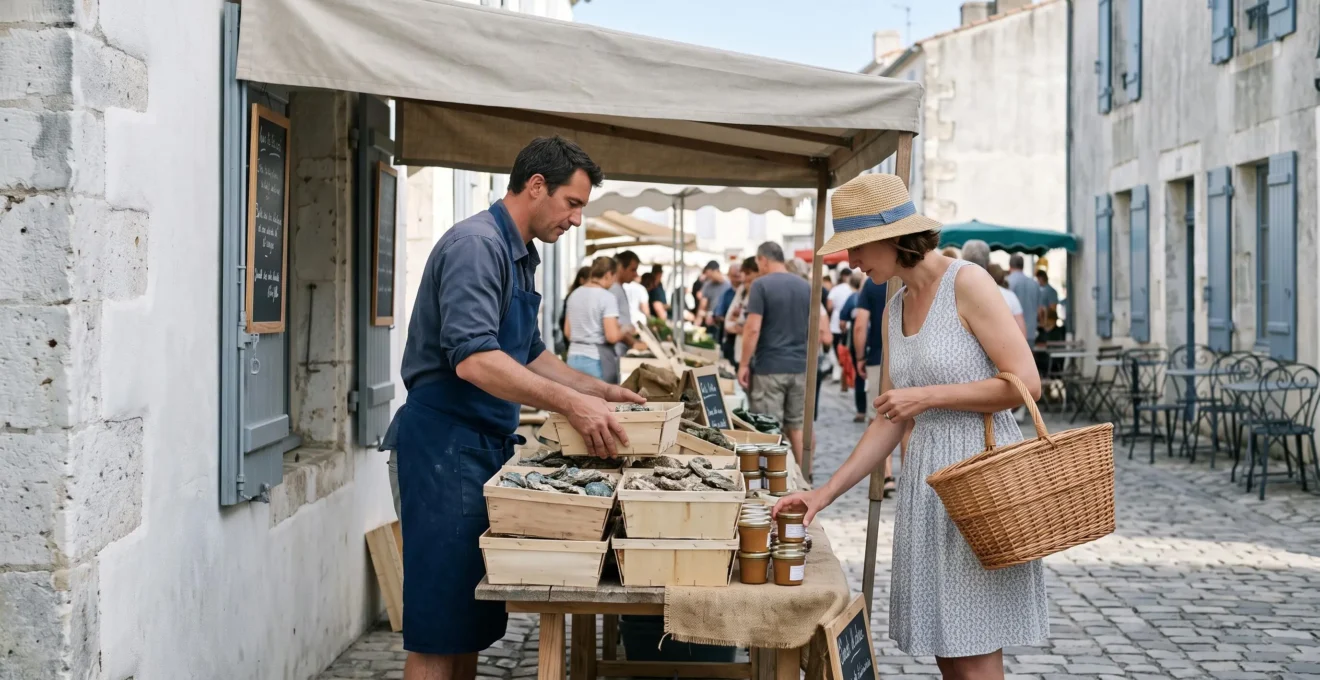
Simplifying logistics: Several practical tasks benefit from advance planning or included services. Grocery shopping upon arrival can be handled by pre-ordering from island supermarkets that deliver, avoiding the need to navigate unfamiliar shops with luggage still unpacked. Bike hire arranged before arrival means bicycles wait at your property, ready to use. Mid-stay and departure cleaning, if not included in your rental, should be booked early; local cleaning services fill quickly in summer.
Managed villa services consolidate these arrangements into a single point of contact, which explains their appeal despite higher cost. The alternative—handling each element independently—works well for experienced self-caterers but adds coordination time that some travellers prefer to avoid on holiday.
Realistic expectations: The Île de Ré remains a working island with permanent residents, not a purpose-built resort. Village shops and restaurants serve locals as much as visitors, so opening hours can be irregular and some establishments close mid-week or out of season. Beach facilities are minimal compared to Mediterranean resorts; most beaches have no services beyond seasonal toilets. The charm lies in authenticity and natural landscape, not in luxury infrastructure. Visitors expecting manicured resort experiences may find the island underwhelming; those valuing simplicity, cycling, local markets and unhurried rhythm generally leave satisfied.
Key takeaways for choosing where to stay
Quick decision guide for choosing your Île de Ré base
- Saint-Martin-de-Ré offers the liveliest atmosphere with the widest choice of restaurants, shops and evening activity; best for those prioritising social ambience and dining variety.
- Sainte-Marie-de-Ré and La Flotte balance village character, beach access and services, suiting families and couples seeking moderate activity without intensity.
- Ars-en-Ré and Les Portes-en-Ré provide the quietest, most nature-focused stays with authentic island character, though with fewer dining and shopping options.
- Rivedoux-Plage minimises transfer time and maximises beach proximity, practical for short stays or families prioritising convenience over village charm.
- Book premium villas by late winter for summer high season; availability narrows significantly after April for July and August stays.
- Cycling is the primary transport; confirm bicycle availability with your accommodation or arrange rental before arrival.
Selecting where to stay on the Île de Ré ultimately requires balancing the village atmosphere you prefer against the accommodation standard you need and the level of logistical support you value. The island’s relatively small size and extensive cycle network mean that no village is prohibitively remote, but the daily experience differs markedly between the animated eastern and central zones and the quieter western villages. Accommodation type—hotel, self-catered house or managed villa—determines how much time you spend organising versus simply enjoying the stay. Early booking secures better choice; late booking limits options and often increases cost.
Which village is best for a first visit to the Île de Ré?
Saint-Martin-de-Ré or Sainte-Marie-de-Ré suit most first-time visitors. Saint-Martin offers the widest range of restaurants, shops and evening activity, making it easy to explore without a car and providing a clear sense of island life. Sainte-Marie balances village charm with excellent beach access and a central location for cycling to other villages. Both provide enough infrastructure to feel comfortable while retaining authentic island character.
How far in advance should you book a villa for summer?
Premium villas in popular villages typically book by February or March for the following July and August. Booking by late winter substantially widens your choice of properties and locations. Leaving it until May or June limits availability to less desirable properties or forces you into less convenient villages. Shoulder-season stays—June, early July or September—offer more flexibility and can often be booked with a few months’ notice.
Do you need a car on the Île de Ré or are bikes enough?
Bicycles suffice for most daily activities once you have settled into your accommodation. The island’s 138 kilometres of flat cycle paths connect all major villages and beaches, and cycling becomes the easiest way to reach markets, restaurants and the coast. A car remains useful for the initial arrival with luggage and for families with young children, but most visitors use it minimally after unpacking. Village parking is limited and congested in summer, making bikes more practical than cars for most trips.
Are villa rentals with concierge services worth the extra cost?
The value depends on your priorities and experience. Managed villas with concierge services reduce arrival-day uncertainty, provide local support if problems arise, often include bike delivery and coordinate logistics such as cleaning and linen. First-time visitors, families and groups organising multi-person stays often find the reassurance and convenience justify the premium. Experienced self-caterers comfortable managing details independently may prefer the lower cost and flexibility of direct rental through generic platforms, accepting the higher degree of responsibility and risk.
What’s the quietest area on the Île de Ré?
Les Portes-en-Ré, at the western tip of the island, is the smallest and most remote village, offering the calmest atmosphere and the lowest tourist density. Ars-en-Ré, slightly east of Les Portes, also provides a quiet, nature-focused stay with proximity to salt marshes and coastal walks. Both villages trade the convenience and animation of the central zone for tranquillity, natural surroundings and minimal evening activity, suiting visitors prioritising peace over proximity to restaurants and shops.