
Finding a holiday villa on the Île de Ré involves more than choosing a pretty property from countless listings. The island’s ten villages each offer a distinct atmosphere, rental capacities range from intimate couples’ retreats to spacious family homes, and weekly rates vary significantly depending on equipment, location and season. The key question is rarely “which is the best villa?” but rather “which village, capacity and equipment match your family’s rhythm, and how can you verify that the listing is transparent and reliable?”
For a couple in their forties travelling with two children and seeking a peaceful coastal getaway, the decision hinges on three interconnected criteria: selecting the right village to balance calm with convenience, shortlisting villas by verifiable capacity and equipment (private pool, parking, air conditioning), and reading weekly rates and guest reviews critically to avoid flattering photos and unclear extra fees. This approach transforms a dispersed, sometimes opaque market into a manageable comparison, giving you the tools to book several months ahead with confidence and prepare a serene summer fortnight without last-minute surprises.
Holiday villas on Île de Ré: what to expect from a premium coastal stay
A premium holiday villa on the Île de Ré typically means a self-contained stone house for four to six guests, often featuring a private walled garden, a swimming pool or immediate proximity to sandy beaches, and a location within cycling distance of one of the island’s characterful villages. The term “premium” reflects authentic architectural character—whitewashed walls, green or blue shutters, exposed beams—rather than standardised luxury, and the setting prioritises tranquillity and direct access to nature over resort-style amenities.
The island’s seven main villages—Saint-Martin-de-Ré, La Flotte, Les Portes-en-Ré, La Couarde-sur-Mer, Rivedoux-Plage, Loix and Sainte-Marie-de-Ré—offer distinct atmospheres, from lively harbourside markets to salt-marsh hamlets where the loudest sound is the breeze through the reeds. Rental properties range from compact two-bedroom fishermen’s cottages to spacious four-bedroom family homes with heated pools, and weekly rates reflect this diversity, running from modest mid-season budgets to higher peak-summer pricing when equipment and village location intersect.
Platforms offering luxury holiday rentals on Île de Ré typically pre-select properties according to verifiable criteria—guest capacity, confirmed equipment lists, transparent weekly rates displayed “from” a baseline figure, and published guest reviews—making it simpler to compare villas without contacting dozens of individual owners or sifting through generic holiday portals where descriptions and photos can be inconsistent.
Capacity matters concretely: a villa listed for six guests usually provides three genuine double or twin bedrooms, whereas a property stretching to accommodate eight might include sofa beds or mezzanines better suited to children than adults. Equipment such as a private pool, outdoor shower, shaded terrace, secure parking and air conditioning directly influence comfort during the island’s warm, sunny summers, and these features are worth identifying as essential or negotiable before you begin comparing individual listings.
Which village on Île de Ré is right for your holiday villa?
Choosing your village shapes your daily rhythm more than any single villa feature. Saint-Martin-de-Ré, the island’s historic capital, combines lively harbourside cafés and a daily market with seventeenth-century Vauban fortifications classified as a UNESCO World Heritage site, attracting visitors who want animation, cultural heritage and easy access to shops within a few minutes’ walk or cycle from their villa.
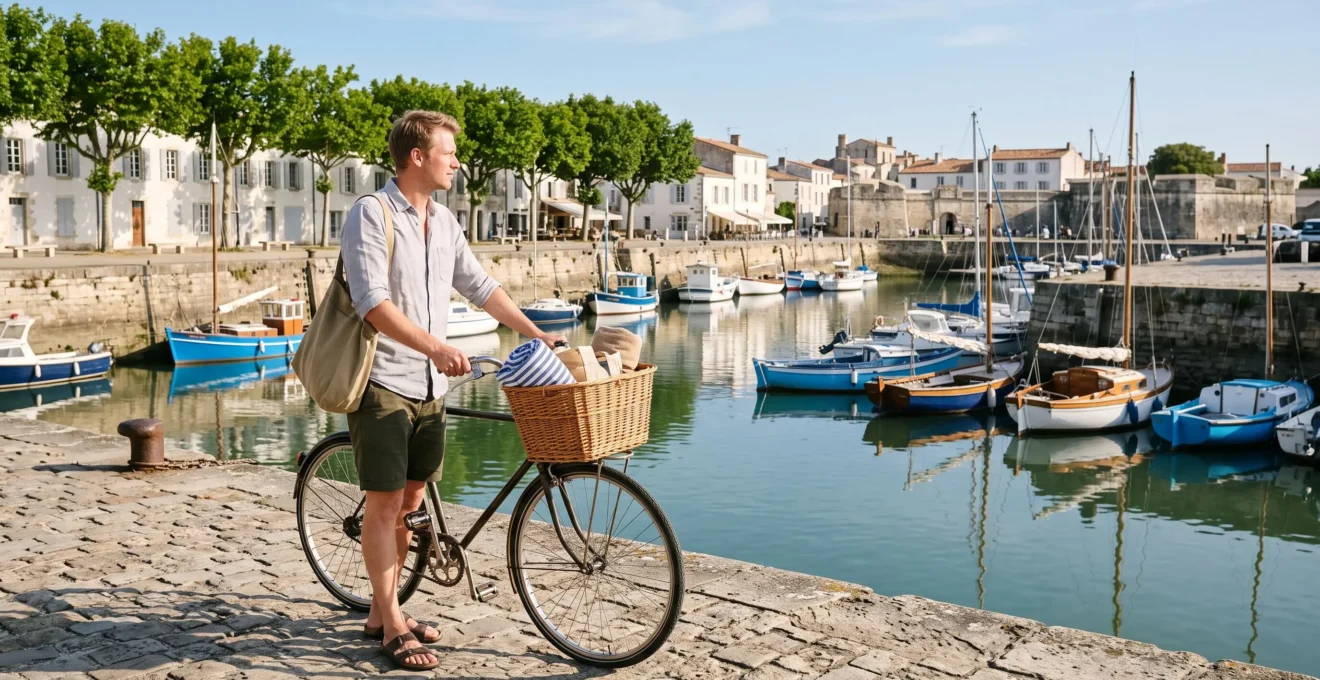
La Flotte, officially listed among France’s Most Beautiful Villages, offers a similar harbourside ambience with a medieval-inspired market, cobbled lanes and a working port, suiting families who appreciate a village heartbeat but on a slightly smaller, quieter scale than Saint-Martin. Both villages sit on the island’s northern coast and provide straightforward access to sheltered beaches and the island-wide network of cycle paths that connect all ten communes.
La Couarde-sur-Mer occupies a central position with a convivial village centre and preserved natural surroundings, making it a practical base for exploring the island without committing to either the busier harbour villages or the most remote corners. Rivedoux-Plage, closest to the bridge linking the island to the mainland, suits visitors prioritising ease of arrival and departure, particularly families travelling with young children or substantial luggage, though the proximity to the access route means higher traffic during peak season.
Loix, Les Portes-en-Ré and Sainte-Marie-de-Ré represent the island’s quieter, more secluded alternatives. Loix is a small harbour village surrounded by salt marshes and oyster beds, offering an authentically peaceful setting where the focus shifts entirely to nature and slow-paced cycling. Les Portes-en-Ré, at the island’s northwestern tip, combines a tiny working harbour, a lighthouse, vast beaches and open landscapes, ideal for visitors seeking solitude and dramatic Atlantic horizons. Sainte-Marie-de-Ré balances accessibility with calm, offering local shops and services without the bustle of the larger ports; those comparing accommodation options in Sainte-Marie often prioritise this middle ground between animation and retreat.
- Families wanting harbourside animation and daily markets:Saint-Martin-de-Ré or La Flotte place restaurants, shops and cultural activities within easy reach.
- Couples seeking authentic calm and nature immersion:Loix, Les Portes-en-Ré or Sainte-Marie-de-Ré offer salt marshes, open skies and minimal tourist traffic.
- Groups prioritising central access and practicality:La Couarde-sur-Mer or Rivedoux-Plage provide balanced proximity to beaches, villages and the bridge.
Proximity to cycle paths matters across all villages: the island’s 100 kilometres of dedicated routes connect beaches, nature reserves, markets and villages, and most villas include secure bike storage or offer rental partnerships, making car-free days a realistic and enjoyable choice once you have settled in.
How to compare villas: capacity, equipment and weekly prices
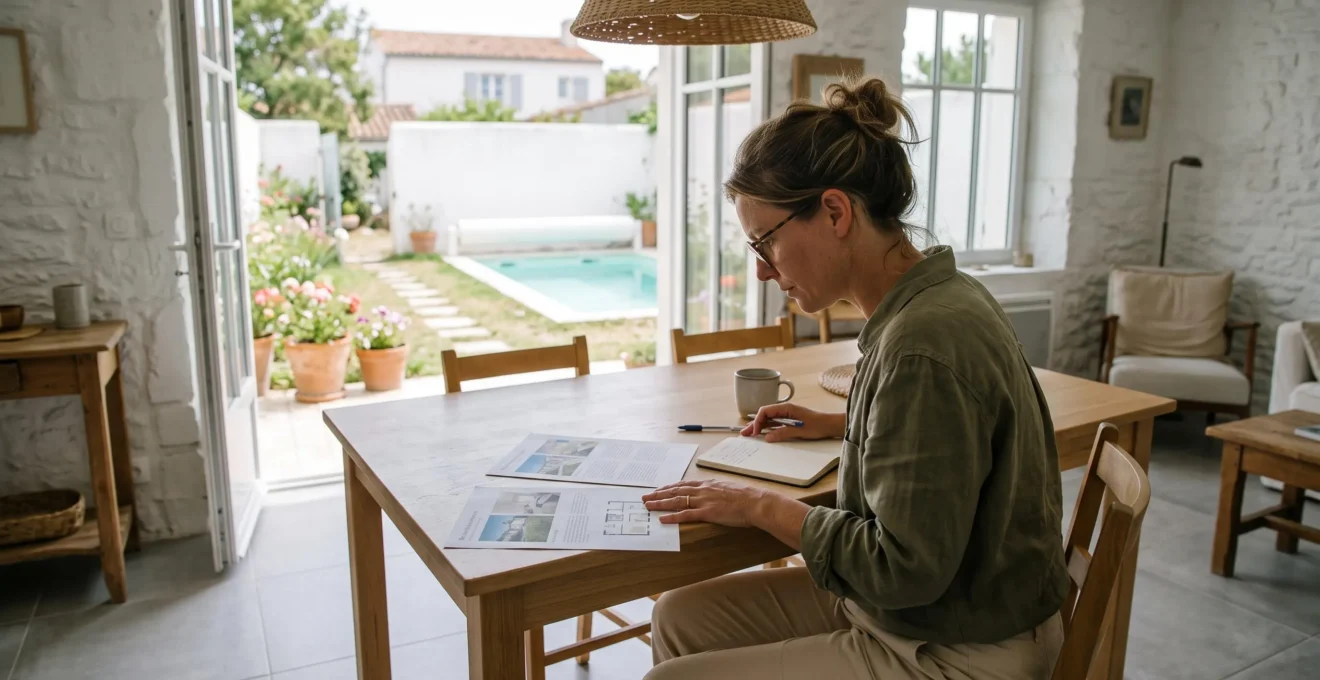
Comparing villas effectively requires a structured method: start by confirming genuine capacity—number of bedrooms, bed configuration and whether the listing count includes sofa beds—then identify which equipment is non-negotiable for your group, and finally read weekly rates and guest reviews with a critical eye to verify transparency and consistency.
Capacity and bedroom count determine whether a villa genuinely fits your party. A family of four typically needs two proper bedrooms, ideally with flexibility for children to share or occupy separate rooms depending on age. A group of six adults requires three double or twin rooms, not a four-person villa stretched with convertible sofas. Check the listing’s bedroom descriptions explicitly, and verify that bathrooms are proportionate: two bathrooms for six guests avoid morning queues, whereas a single shower room for eight creates friction.
Essential equipment to verify before shortlisting
- Private swimming pool (heated or unheated, and pool safety barriers if travelling with young children)
- Secure private parking (particularly important in busy harbour villages during high season)
- Air conditioning or ceiling fans (July and August temperatures regularly exceed 28°C)
- Outdoor dining area with shade (pergola, parasol or covered terrace for midday meals)
- Wi-Fi and practical kitchen equipment (dishwasher, washing machine, oven and hob capacity)
Weekly rental rates on the Île de Ré are almost always displayed as “from” a baseline figure, meaning the advertised price applies to the lowest season—typically late April, May, June, September and early October—and climbs significantly for July and particularly August. A villa advertised from €1,400 per week might reach €2,500 or more during the peak summer fortnight, so always request or check the calendar-specific rate for your exact travel dates rather than assuming the baseline price applies.
Guest reviews offer valuable insight, but read them critically. Look for recent reviews (within the past twelve months), check whether reviewers mention specific equipment or village features you care about, and watch for recurring themes—multiple mentions of road noise, or consistent praise for a responsive owner, carry more weight than isolated superlatives. Be cautious of listings with only brief, generic reviews or properties where the most recent feedback is several years old, as these may signal inconsistent maintenance or limited recent occupancy.
Using search filters for capacity, village, equipment (pool, parking, air conditioning) and weekly budget allows you to compare like with like, reducing the risk of being swayed by attractive photos of a villa that lacks the practical features your family needs or sits in a village mismatched to your preferred pace.
Booking a villa on Île de Ré: timing, transparency and avoiding surprises
Timing matters significantly on the Île de Ré. During the peak summer season, demand for well-located holiday villas rises sharply, particularly among families planning their stays around school holidays. Properties offering sought-after features such as a private pool, a location near a harbour village or four genuine bedrooms can be booked several months in advance. Waiting until the last minute therefore leaves fewer opportunities to secure a villa that combines the right location, capacity and amenities.
Booking three to six months ahead for July and August gives you a realistic choice of villages and villa types, whereas waiting until late spring often means settling for availability rather than preference. Shoulder-season travellers—late May, June, September and early October—enjoy greater flexibility, lower weekly rates and quieter beaches, though sea temperatures and sunshine hours differ from the midsummer peak.
Verifying photo and description consistency: Request additional recent photos if a listing shows only exterior shots or heavily styled interiors, and cross-check claimed equipment against the detailed description. Reputable platforms and owners provide comprehensive photo galleries, floor plans and honest descriptions of any limitations (road proximity, no sea view, shared access lane), whereas vague or overly polished listings may flatter reality.
Anticipate high-season pricing and confirm which fees are included in the weekly rate. Some listings incorporate linen, towels, end-of-stay cleaning and utilities within the quoted price, while others add these as mandatory or optional extras. Ask explicitly about electricity caps (particularly relevant if the villa has air conditioning or a heated pool), tourist tax (charged per adult per night by the local authority) and any breakage deposit terms, so your final budget is accurate before you commit.
Check whether the platform or owner offers telephone or email support during your stay. Properties managed by local agencies often provide a contact number for maintenance issues, key collection and practical questions, whereas peer-to-peer rentals may rely solely on the owner’s availability, which can be inconvenient if problems arise on a weekend or public holiday. Clarifying this upfront avoids frustration if a pool pump fails or a kitchen appliance stops working mid-stay.
Planning your peaceful Île de Ré getaway: a simple checklist
Before finalising your booking, confirm that your shortlisted villa aligns with the key criteria that determine whether your stay will be peaceful and well-suited to your family’s needs. Start by verifying the village matches your preferred balance between calm and convenience: harbour villages like Saint-Martin-de-Ré and La Flotte offer animation and easy access to markets and restaurants, while Loix, Les Portes-en-Ré and Sainte-Marie-de-Ré deliver authentic tranquillity and nature immersion.
Final checklist: four criteria to validate before booking
- Village atmosphere and location: does it match your desire for harbourside life or secluded calm, and is it well-connected by cycle paths?
- Genuine capacity and bedroom configuration: does the villa offer enough proper bedrooms and bathrooms for your group’s comfort?
- Non-negotiable equipment: does the listing confirm private pool, secure parking, air conditioning and outdoor dining space?
- Transparent weekly rate and booking timing: have you verified the rate for your exact dates, confirmed included and extra fees, and booked early enough to secure genuine choice?
The core trade-off on the Île de Ré is between village animation and deep quiet: you cannot simultaneously be steps from a bustling harbour market and surrounded by silent salt marshes, so decide which atmosphere your family prioritises and choose the village first, then filter villas by capacity and equipment within that area. Similarly, premium features like a heated pool, sea views or direct beach access command higher weekly rates, so if your budget is firm, consider whether a villa in a quieter village with excellent equipment offers better value than a basic property in a prime harbour location.
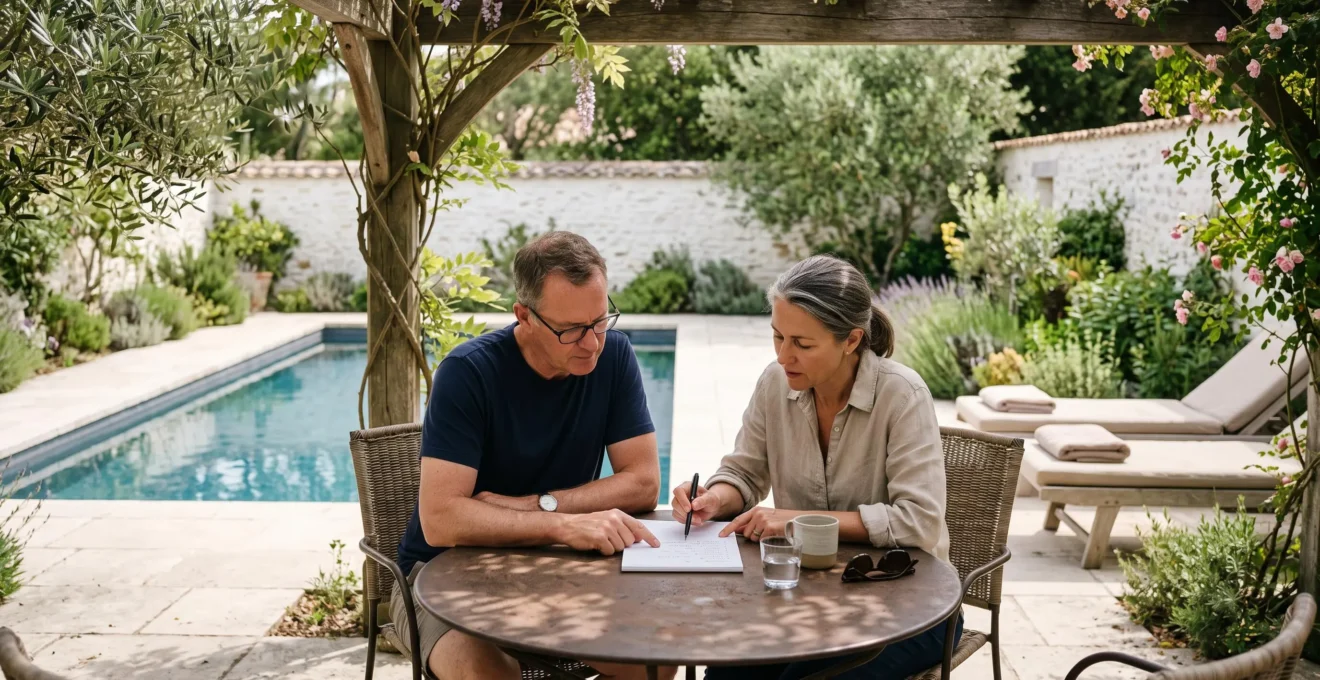
Once you have validated these criteria and confirmed availability for your chosen dates, booking with confidence becomes straightforward. The scattered, sometimes opaque villa market on the Île de Ré resolves into a manageable decision when you anchor your comparison to verified capacity, transparent weekly rates, and a village whose rhythm matches your family’s vision of a peaceful coastal getaway.
Which village on the Île de Ré is quietest for a family villa stay?
Loix, Les Portes-en-Ré and Sainte-Marie-de-Ré offer the most peaceful settings, surrounded by salt marshes, nature reserves and open Atlantic coastline, with minimal tourist traffic even in high season. Saint-Martin-de-Ré and La Flotte are livelier harbourside villages suited to visitors who want animation and daily markets within walking distance.
How far in advance should you book a villa on the Île de Ré for summer?
Three to six months ahead for July and August ensures genuine choice of villages, capacity and equipment, particularly for villas with private pools in desirable locations. Last-minute availability exists but usually means limited options and higher rates, whereas shoulder-season travellers (May, June, September) enjoy greater flexibility and lower weekly prices.
What equipment should you prioritise when comparing villas?
Private swimming pool, secure parking, air conditioning or ceiling fans, shaded outdoor dining space, and proportionate bathrooms (ideally two for six guests) are the features most directly affecting comfort during warm summer stays. Verify these are confirmed rather than implied, and check whether pools are heated if you are travelling outside peak summer.
How can you verify a villa listing is accurate and transparent?
Look for comprehensive recent photo galleries, detailed equipment lists, explicit confirmation of included and extra fees, and recent guest reviews mentioning specific features. Request additional photos if only exterior or styled shots are shown, and clarify the weekly rate for your exact dates rather than assuming the “from” baseline price applies to high season.
Are villas near Saint-Martin-de-Ré noisier than those in quieter villages?
Villas within the historic centre of Saint-Martin-de-Ré or directly on harbourside lanes experience more foot traffic and evening animation than properties in Loix or Les Portes-en-Ré, but many Saint-Martin villas sit in quiet residential streets a few minutes’ walk or cycle from the port, offering a practical middle ground between accessibility and calm.