The secret to a rapid, premium-priced property sale isn’t luck; it’s the strategic engineering of ‘buyer desire’ from the very first online click.
- Emotionally compelling presentation sells properties for 8-10% more than unstaged homes.
- Strategic timing for your online listing can triple weekend viewing requests.
Recommendation: Shift your focus from simply ‘tidying up’ to mastering the psychological triggers that make a buyer feel an instant, powerful connection to your property as their future home.
In the competitive UK property market, a perplexing question haunts many sellers: why does one house attract a flurry of offers and sell above the asking price in a matter of weeks, while a similar property next door sits stagnant for months? The conventional wisdom points to a familiar checklist: declutter, apply a fresh coat of paint, and hope for the best. This approach, however, misses the fundamental force driving a fast and profitable sale: buyer psychology.
Sellers often focus on the tangible aspects of their property, polishing the physical bricks and mortar. But serious buyers aren’t just purchasing a structure; they are investing in a future, a lifestyle, and a feeling. The decision to make an offer—and more importantly, to offer a premium—is overwhelmingly emotional. The properties that sell fastest are not necessarily the biggest or most modern, but those that have been masterfully prepared to trigger an immediate, subconscious ‘this is the one’ reaction.
This guide moves beyond the platitudes of basic home preparation. We will deconstruct the process of ‘Buyer Desire Engineering’—the art and science of preparing your home to connect with buyers on an emotional level. It’s about understanding how a neutral colour palette creates an aspirational blank canvas, how a £100 investment in kerb appeal can generate thousands in perceived value, and how the timing of your Rightmove listing can make or break your opening weekend. We will explore how to transform your property from a simple listing into a compelling story that buyers are desperate to be a part of.
To guide you through this strategic process, this article breaks down the essential components for accelerating your sale and maximising your final offer. Explore the key psychological levers that can make all the difference.
Summary: The Psychology of a Rapid UK Property Sale
- The Emotional Triggers That Make UK Buyers Offer £15,000 Over Asking Price
- Why Magnolia and Grey Outsell Bold Feature Walls by 6 Weeks on Average
- How to Stage Each Room to Triple Rightmove Listing Clicks in 48 Hours
- When £800 Spent on Front Door Paint and Plants Returns £4,000 at Sale
- How Listing on Thursday at 6pm Gets 3x More Weekend Viewings Than Monday
- Detailed Descriptions vs Bullet Points: Which Listing Format Gets 3x More Inquiries
- How to Stage Your Entrance Hall to Create Instant Buyer Desire
- Which Home Improvements Return 150% ROI When Selling UK Properties
The Emotional Triggers That Make UK Buyers Offer £15,000 Over Asking Price
The difference between a property that achieves its asking price and one that sparks a bidding war often lies in its ability to evoke a powerful emotional response. This isn’t about grand, expensive gestures; it’s about curating an atmosphere that allows buyers to instantly project their own lives and aspirations onto the space. When a buyer walks in and feels an immediate sense of calm, possibility, and aspiration, their mindset shifts from analytical to emotional. They stop seeing a property and start seeing a home.
This emotional connection is the primary driver behind offers that exceed the asking price. It’s a tangible financial asset. According to compelling research from The Home Staging Association UK, this strategy has a dramatic impact. Their data reveals that professionally staged properties now sell for an average of 8-10% more than their unstaged counterparts. For a typical £350,000 UK property, this translates to a staggering £28,000-£35,000 in added value, demonstrating a direct conversion of emotional appeal into financial gain.
The principle of ‘Buyer Desire Engineering’ is to remove any personal items that anchor the house to your life and replace them with elements that sell a desirable lifestyle. Every object on display must have a purpose. As property expert Lenay Krowitz advises:
A good rule of thumb is that everything on display must either serve a function (lamp, chair) or sell a lifestyle (stylish coffee machine, artful plant).
– Lenay Krowitz (eXp UK), 20 Expert Tips on How to Stage your Home for Sale in the UK
This strategic curation ensures that a buyer’s first impression is not of visiting someone else’s house, but of stepping into their own potential future. This feeling is what makes them willing to pay a premium to secure it.
Why Magnolia and Grey Outsell Bold Feature Walls by 6 Weeks on Average
A common mistake sellers make is assuming their personal taste will appeal to buyers. That vibrant crimson feature wall or quirky patterned wallpaper that brings you joy can act as a significant psychological barrier for a potential buyer. Bold, subjective design choices force a viewer to see the home as *yours*, making it far more difficult for them to envision it as *theirs*. It can also immediately trigger thoughts of a “project”—the time, effort, and cost of redecorating—which can instantly cool their interest.
The solution lies in creating an ‘aspirational blank canvas’. Neutral palettes—think soft greys, warm off-whites, and muted stone colours—are not about being boring; they are a sophisticated strategic tool. These colours depersonalise the space, creating a serene and expansive feel. More importantly, they provide a neutral backdrop against which buyers can mentally project their own furniture, art, and life. Your home becomes a versatile canvas for their dreams, not a rigid gallery of your own taste.
This isn’t just theory; it directly impacts buyer behaviour online. Listings with neutral, calming interiors are perceived as more spacious, more valuable, and requiring less work. While specific data on sales speed can vary, the principle is consistently observed by estate agents across the UK. A home that feels move-in ready and easy to personalise will always attract a wider pool of serious buyers than one that screams “renovation project”. As the saying goes in the staging world, if a design element shouts for attention, it’s likely shouting over the buyer’s own imagination.
The goal is to eliminate any visual ‘objection’ before it can even form. A tired-looking floor or a loud wall can be enough to deter a buyer from even booking a viewing. The power of a neutral palette is its ability to remove friction from the buying process, making the journey from online listing to offer as seamless as possible.
How to Stage Each Room to Triple Rightmove Listing Clicks in 48 Hours
In today’s market, the first viewing doesn’t happen when a buyer walks through your front door. It happens on their phone, scrolling through Rightmove or Zoopla. You have less than three seconds to capture their attention, and the quality of your photography is the single most important factor in this initial battle. Poorly lit, cluttered, or uninspired photos will be scrolled past without a second thought, no matter how great your property is in reality. The goal is to create what is known as a ‘hero shot’—one stunning, compelling image that stops the scroll and entices the click.
This hero shot is rarely a wide-angle view of an entire room. Instead, it’s often a beautifully styled ‘vignette’—a small, artful arrangement that tells a story and sells a lifestyle. Think of a close-up of a cosy armchair with a throw and a book, a stylish coffee pot next to a bowl of fresh lemons on the kitchen counter, or a perfectly made bed with plush cushions. These images evoke a feeling of comfort, sophistication, and homeliness that a simple, wide shot cannot. They allow the buyer to imagine the *experience* of living in the home.
As the image above illustrates, focusing on a small, perfectly staged detail can be far more powerful than showing the whole room. This approach is about creating intrigue and desire. It suggests a home that is well-cared-for and stylish, prompting the buyer to click to see more. The correlation between initial engagement and final outcome is direct. As leading estate agents AshdownJones note, there is a direct correlation between the number of people who click on that first summary advert on Rightmove and the number of viewings you will get. More clicks lead directly to more viewings, and more viewings lead to a faster sale at a better price.
To achieve this, every room should be staged with photography in mind. Identify the best feature or corner in each room and create a lifestyle vignette around it. Use natural light, add textures with textiles and plants, and ensure every shot is meticulously composed. This focus on converting online scrollers into engaged viewers is the first, and most crucial, step in sale acceleration.
When £800 Spent on Front Door Paint and Plants Returns £4,000 at Sale
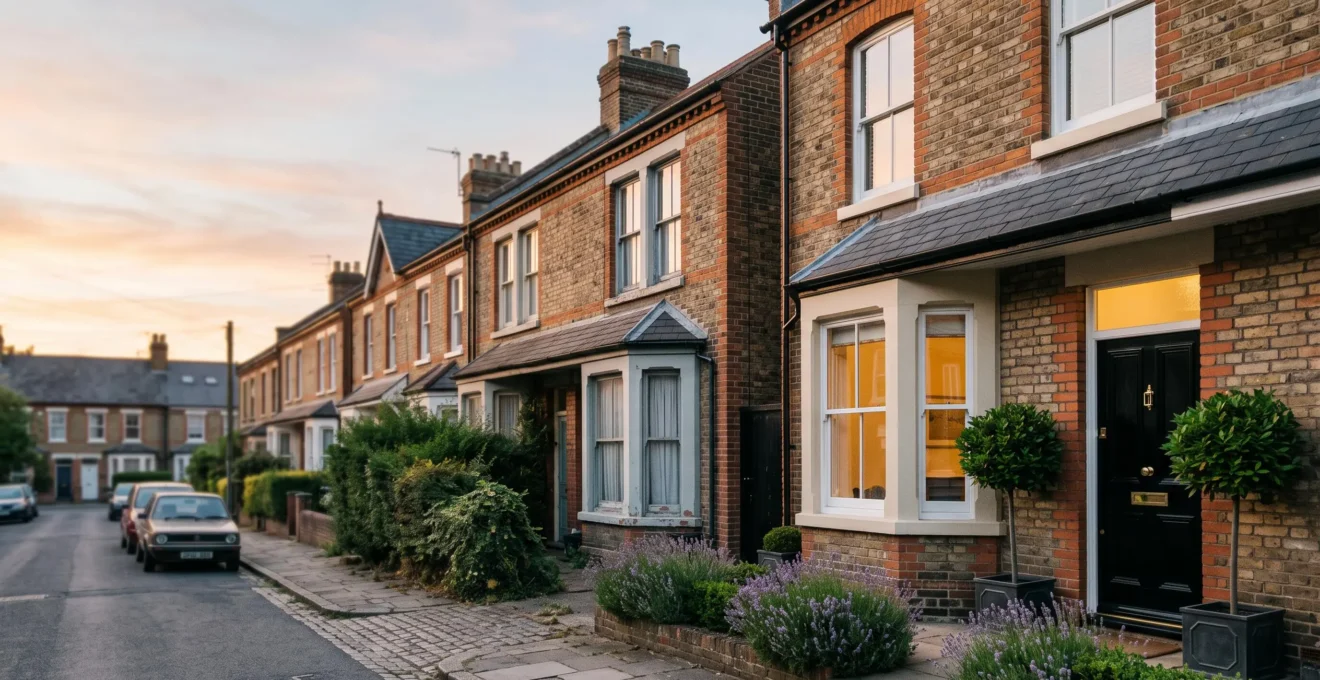
The concept of ‘first impression velocity’ dictates that a buyer’s emotional tone for the entire viewing is set within the first 10 seconds of arrival. This journey begins at the kerb, long before they step inside. A property with strong kerb appeal instantly communicates that it is well-maintained, desirable, and valuable. Conversely, a neglected exterior—peeling paint, overgrown weeds, visible wheelie bins—sows a seed of doubt and suggests hidden problems, putting the buyer on the defensive before the viewing has even started.
Investing in kerb appeal has one of the highest emotional ROIs of any pre-sale improvement. It doesn’t require a huge budget; small, strategic changes can have a disproportionate impact on perceived value. Buyers are demonstrably influenced by what they see on arrival. In fact, research from Evolution Money demonstrates that nearly 30% of buyers would be willing to pay a premium for a property with an attractive exterior. This proves that money spent on the approach to your home is a direct investment in your final sale price.
The Federation of Master Builders (FMB) highlights several high-impact, low-cost improvements. A fresh coat of paint on the front door (around £200), clearing and repairing gutters (£250), or even simply concealing wheelie bins with an attractive screen (from £50) can dramatically lift a property’s appeal. The key is to create a clean, welcoming, and symmetrical approach. A pair of potted plants, a new doormat, and polished door furniture work together to signal a home that is cared for and cherished. This initial positive feeling creates a halo effect, making buyers more receptive and positive throughout the rest of the viewing.
Your 5-Point Kerb Appeal Audit
- Points of Contact: List all visual elements a buyer sees from the street to your door (gate, path, front door, windows, bins, garden).
- Condition Collection: Honestly inventory the state of each element. Note down peeling paint, weeds, a dirty path, a worn-out doormat.
- Coherence Check: Does the overall look feel cohesive and welcoming, or messy and neglected? Does it align with the price you’re asking?
- Memorable vs. Generic: Identify one thing that could make your entrance memorable in a positive way. A freshly painted door in a classic colour? Two elegant potted trees?
- Action Plan: Prioritise the top three highest-impact, lowest-cost fixes from your list (e.g., 1. Hide bins, 2. Repaint door, 3. Buy new doormat) and schedule them in.
How Listing on Thursday at 6pm Gets 3x More Weekend Viewings Than Monday
In the digital property market, *when* you list is just as important as *what* you list. Launching your property onto the market at a random time is a wasted opportunity. The goal is to maximise exposure during the peak window when serious buyers are actively searching and planning their weekend viewings. Listing at the right time ensures your property appears at the top of the search results precisely when the largest and most motivated audience is looking.
While historically Thursday evenings were considered prime time to capture the weekend viewing planners, user behaviour is constantly evolving. It’s essential to rely on current data, not outdated assumptions. Interestingly, the title of this section reflects a popular belief, but the most recent data tells a slightly different story. Rightmove’s own data currently shows that Tuesday at 9pm is the busiest time of the week for property searches. This is the moment when home-hunter traffic surges. The strategic play, therefore, is to list your property *just before* this peak to ensure maximum visibility.
The volume of new listings also provides critical context. By understanding when other properties go live, you can either ride the wave or find a quieter moment to stand out. The data shows a clear pattern in agent behaviour.
| Day of the Week | Relative Volume of New Listings | Best Time to Check for New Listings |
|---|---|---|
| Tuesday | Highest (over 4x the Saturday count) | Morning wave (8am–12pm) |
| Wednesday | High | Morning and afternoon (8am–12pm / 1pm–5pm) |
| Monday, Thursday, Friday | Moderate | Morning wave (8am–12pm) |
| Saturday | Low | Afternoon stragglers (1pm–5pm) |
| Sunday | Lowest | Not a typical listing day |
This table shows that Tuesday is the most competitive day for new listings. A strategic approach could be to list on a Monday evening or very early Tuesday morning. This ensures your property is fresh and at the top of the “new listings” filter just as the huge wave of Tuesday evening searchers comes online, giving you a crucial head start in capturing their attention for weekend viewing slots.
Detailed Descriptions vs Bullet Points: Which Listing Format Gets 3x More Inquiries
Once your hero shot has earned the click, the property description is your next opportunity to build desire. A common debate is whether to use a flowing, narrative description or a concise list of bullet points. The most effective strategy is not to choose one over the other, but to skilfully blend both. Buyers have two modes of thinking: the emotional, lifestyle-driven “dreamer” and the practical, fact-checking “analyst”. Your listing must cater to both.
The performance gap between a well-optimised listing and a poor one is vast. It’s not a minor difference; it’s a chasm. Data from top-performing agents demonstrates just how critical this is.
| Listing Performance Level | Average Clicks per Property per Day |
|---|---|
| Top-performing agent listing | 188.7 clicks |
| Lowest-performing agent listing in the same area | 44 clicks |
A top-tier listing gets over four times more daily engagement. This difference is driven by a combination of great photos and a compelling description. The best practice is to structure your description to guide the reader seamlessly from emotion to logic. This hybrid approach maximises engagement by satisfying both sides of the buyer’s brain.
To achieve this, follow a clear structure for your listing text:
- Open with a short, evocative narrative paragraph. This is your hook. Let the emotional buyer picture the lifestyle the home offers. Talk about “enjoying morning coffee on the sun-drenched patio” or “cosy winter evenings by the fireplace.”
- Follow with scannable bullet points. Immediately after the narrative, provide the hard facts for the analytical buyer. This is where you list room dimensions, tenure, council tax band, and key features like “Off-street parking” or “South-facing garden.”
- Address shortcomings proactively. If your property has an obvious flaw (e.g., it’s on a busy road), address it head-on in the description. A phrase like, “While situated on a well-connected main road, the property benefits from triple glazing throughout and a secluded rear garden” builds trust and pre-empts objections.
- Keep it fresh. If a listing has been live for more than six weeks with little interest, it becomes stale and drifts down the search results. Work with your agent to refresh the description and lead photo to give it a new lease of life.
This structured approach ensures you capture the buyer’s imagination first, then provide the logical reassurances they need to move from casual browser to serious viewing request.
How to Stage Your Entrance Hall to Create Instant Buyer Desire
The moment a buyer steps over your threshold is the single most critical point of the entire viewing. The entrance hall is where “first impression velocity” reaches its peak. This small space has a huge job: it must instantly make a buyer feel welcome, secure, and eager to see more. A dark, cluttered, or cramped hallway immediately creates a negative feeling that can be almost impossible to shake, colouring their perception of the rest of the property. In fact, research suggests that up to 60% of property viewers form a lasting judgement of a home within the first minute of arrival.
Staging an entrance hall is about creating a feeling of light, space, and welcome. Your goal is to eliminate all personal clutter. Coats, shoes, post, and keys must be completely out of sight. This isn’t just about tidiness; it’s about creating a sense of calm and order that signals a well-managed and cared-for home. A large mirror is a powerful tool to instantly make the space feel larger and brighter by reflecting light.
Next, focus on adding a touch of lifestyle. A simple console table with a stylish lamp, a single piece of art, and a vase of fresh flowers or a healthy plant can transform a functional passageway into an elegant introduction to the home. These small touches don’t need to be expensive; reviving a tired table with a new throw can be just as effective as buying new furniture. Pay attention to the details a buyer will touch, like door handles, and see, like light switches and skirting boards. Ensuring these are immaculately clean reinforces the message of a meticulously maintained property.
This warm, welcoming feeling, captured in the image above, is precisely what you aim to create. It’s a subconscious signal to the buyer that they can relax, that this is a safe and pleasant space, and that they are about to see something special. You are not just showing a hallway; you are setting the emotional stage for a successful sale.
Key takeaways
- Buyer desire is an engineered emotion, not a matter of chance. Staging is a direct investment in your final sale price.
- A neutral colour scheme is a strategic tool that acts as a blank canvas for buyers’ aspirations, widening your pool of interest.
- Your online listing is the first viewing. A compelling ‘hero shot’ and a hybrid description (emotion + facts) are critical for converting clicks into viewings.
Which Home Improvements Return 150% ROI When Selling UK Properties
When preparing to sell, it’s easy to get caught in a trap of over-improving. Many sellers mistakenly believe that a new kitchen or bathroom is the surest way to add value, and they embark on expensive projects that they may never recoup the cost of. The key to a profitable sale is not about spending the most money, but about making the smartest, highest-impact investments. The focus should be on improvements that enhance presentation and emotional appeal, as these consistently deliver the highest return on investment.
The most profitable “improvements” are often not structural at all, but cosmetic. These are the changes we have discussed: professional staging, strategic decoration with a neutral palette, and enhancing kerb appeal. These actions directly address the buyer’s emotional response, which has a far greater impact on their willingness to pay a premium than the age of the boiler. They are also significantly cheaper and faster to implement than major renovations.
The financial returns on this approach are well-documented and compelling. Rather than a 1:1 return, presentation-focused improvements offer a multiplier effect. In fact, for every pound spent on effective home staging, sellers can expect to see a significant return. The National Association of Estate Agents (NAEA) confirms this, stating that the return on investment for staging can be between 5:1 and 10:1. This means a modest investment of £1,000 could add £5,000 to £10,000 to the final sale price, far exceeding the return from a costly structural change.
Ultimately, the improvements with the best ROI are those that remove buyer objections and create an irresistible vision of their future life. This means fixing the small, niggling issues, ensuring the property is immaculately clean, and presenting it as a bright, welcoming, and aspirational space. Before commissioning a new kitchen, first ensure the front door is freshly painted, the hallway is clear, and the walls provide a perfect blank canvas. That is where the real profit lies.
By shifting your mindset from a simple house sale to a strategic marketing campaign focused on buyer psychology, you can take control of the process. The next logical step is to apply these principles by creating a tailored presentation plan for your own property to ensure it captivates buyers and achieves its maximum potential value.